Rotterdam: Where the Future Docked
Rebuilt from the bombs — bold, sharp, and unafraid
Rebuilt from the bombs — bold, sharp, and unafraid
Rotterdam rose from the rubble of the Blitz with a refusal to look back. Today it is Europe's largest port and the Netherlands' capital of bold architecture — cube houses, a bridge that soars like a swan, and a market hall that could be a cathedral of food.
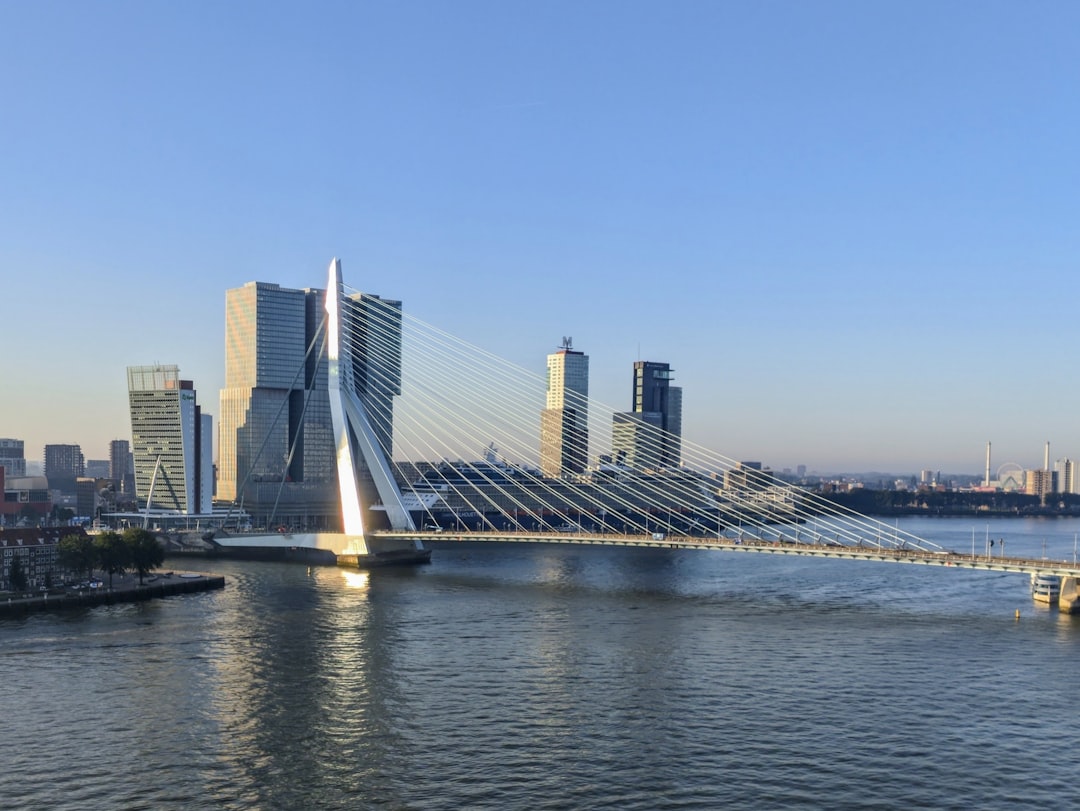
The white cable-stayed bridge across the Maas has become the city's emblem — nicknamed the Swan for its leaning pylon. Cross it on foot or by tram at sunset and the port, the skyline, and the river merge into one post-industrial poem.
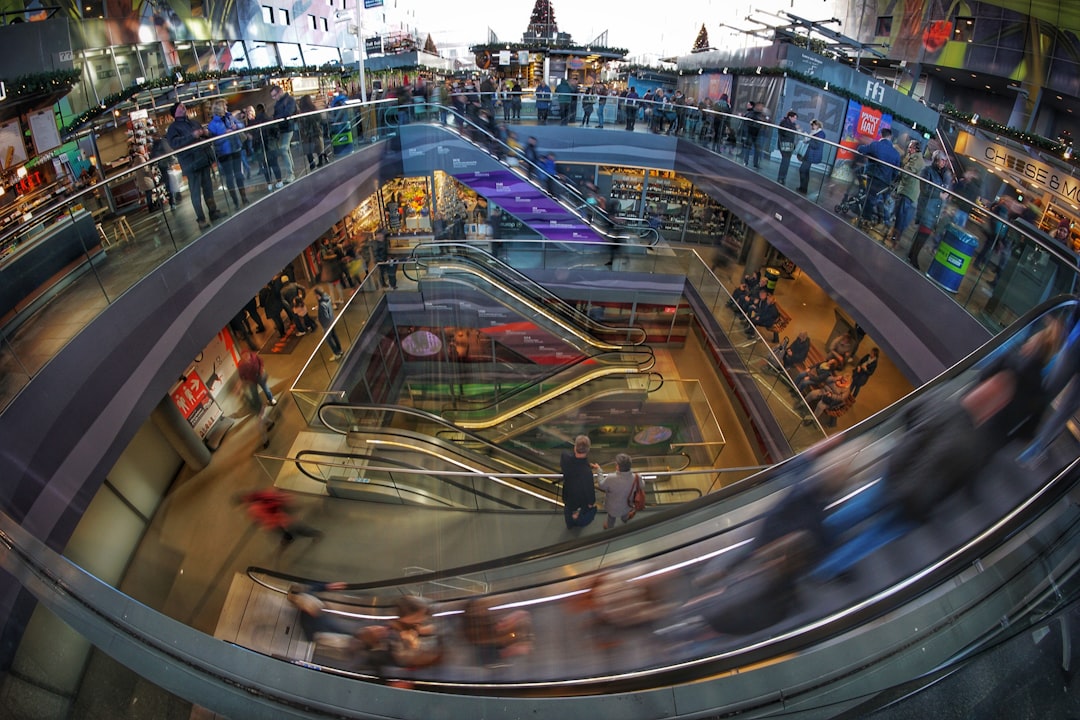
A vast arch of apartments curves over an indoor food market — the ceiling a giant artwork of fruit and flowers. Under one roof you find cheese, stroopwafels, and every flavour of the world; the building itself is the spectacle.
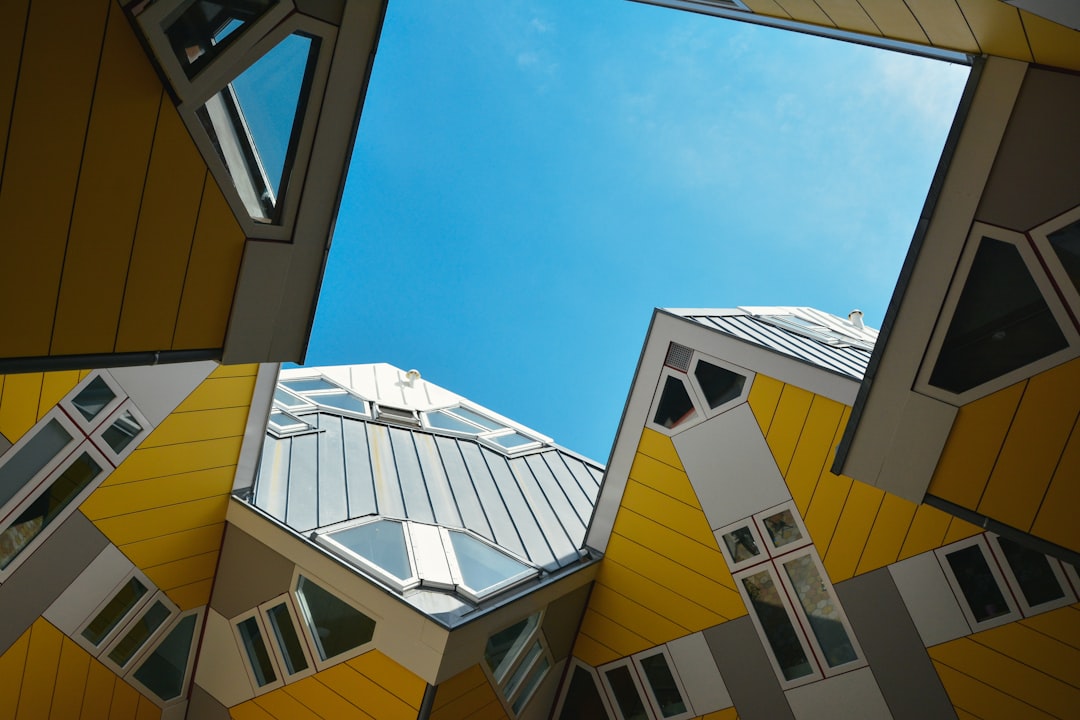
Piet Blom's tilted cubes line the Oude Haven like a street of giant dice — each one a home, angled 45 degrees to the ground. Walk underneath, step inside the show cube, and feel how Rotterdam turned housing into sculpture.
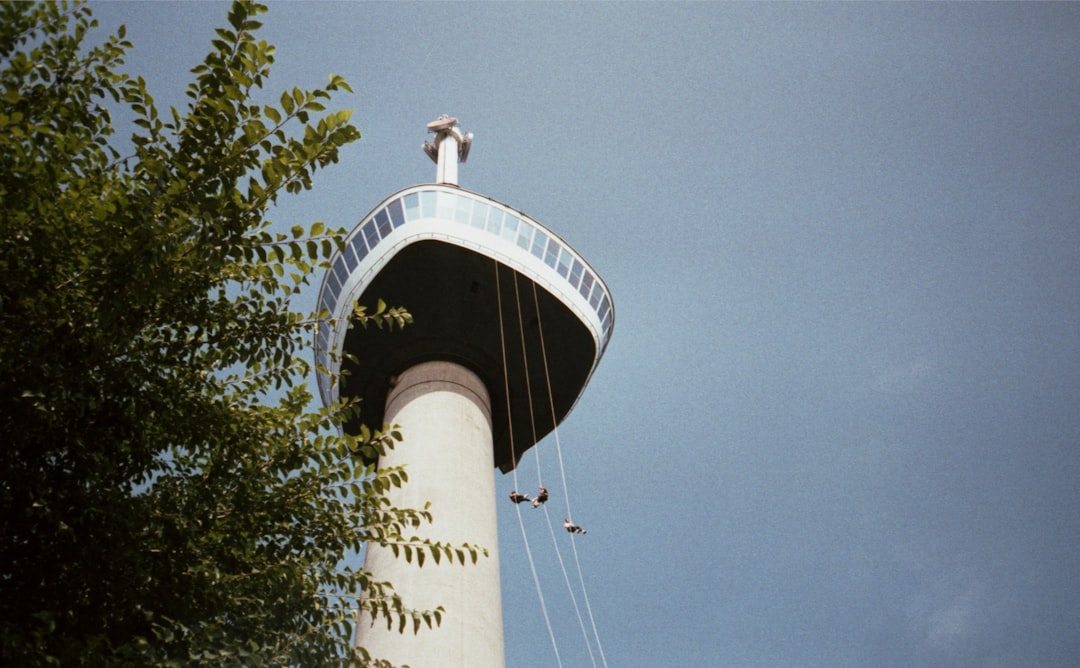
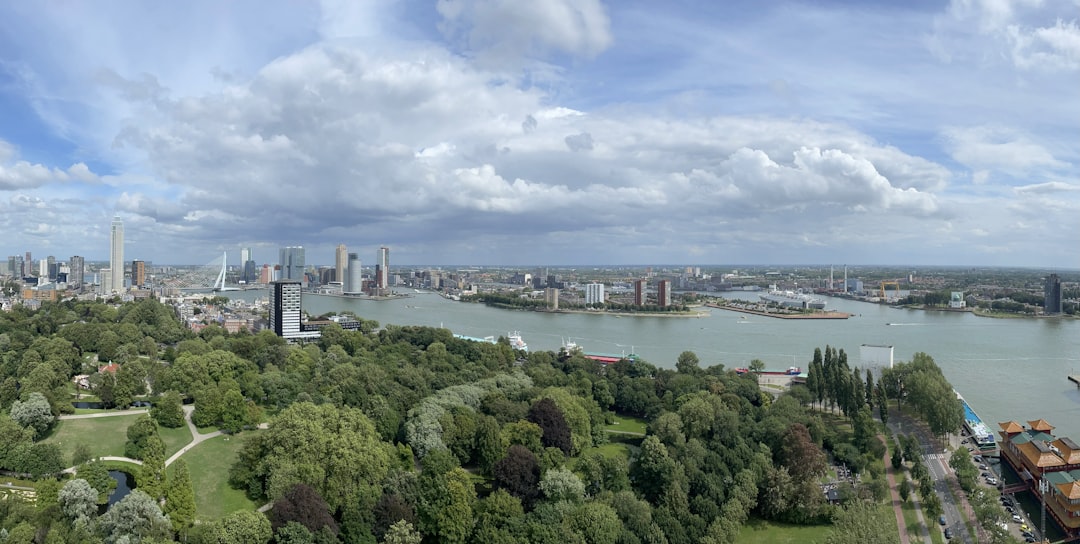
The tower rises 185 metres above the park — the highest structure in Rotterdam. The viewing platform and the rotating Euroscoop cabin offer a panorama of the port, the river, and the flat Dutch horizon that seems to stretch forever.
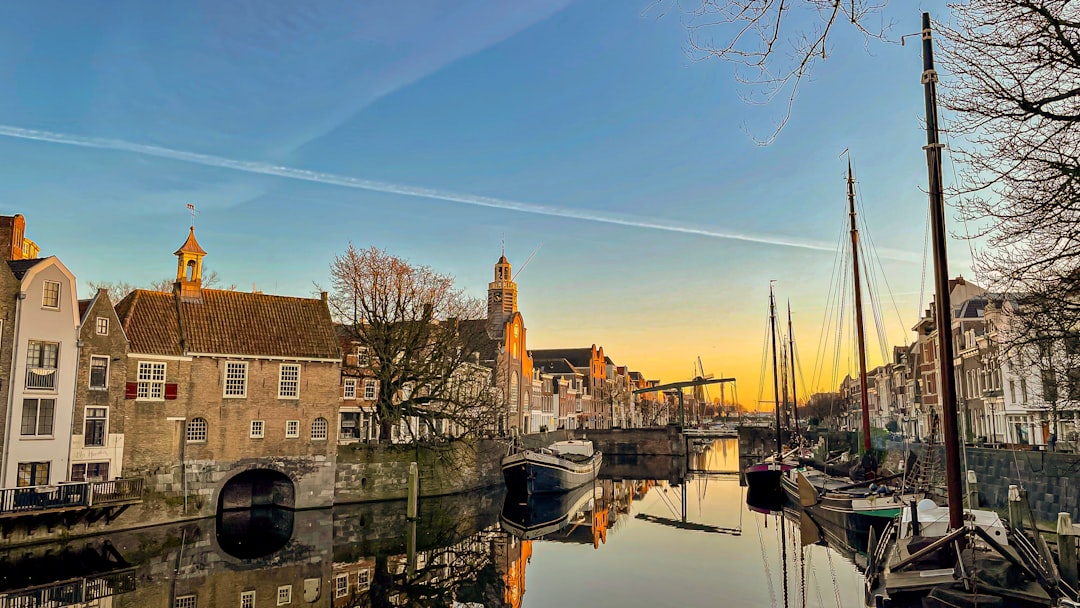
The one corner of old Rotterdam that survived the bombing — cobbled quays, restored warehouses, and the Pilgrim Fathers' church from which some set sail for the New World. It feels like a pocket of the 17th century in a city of glass and steel.
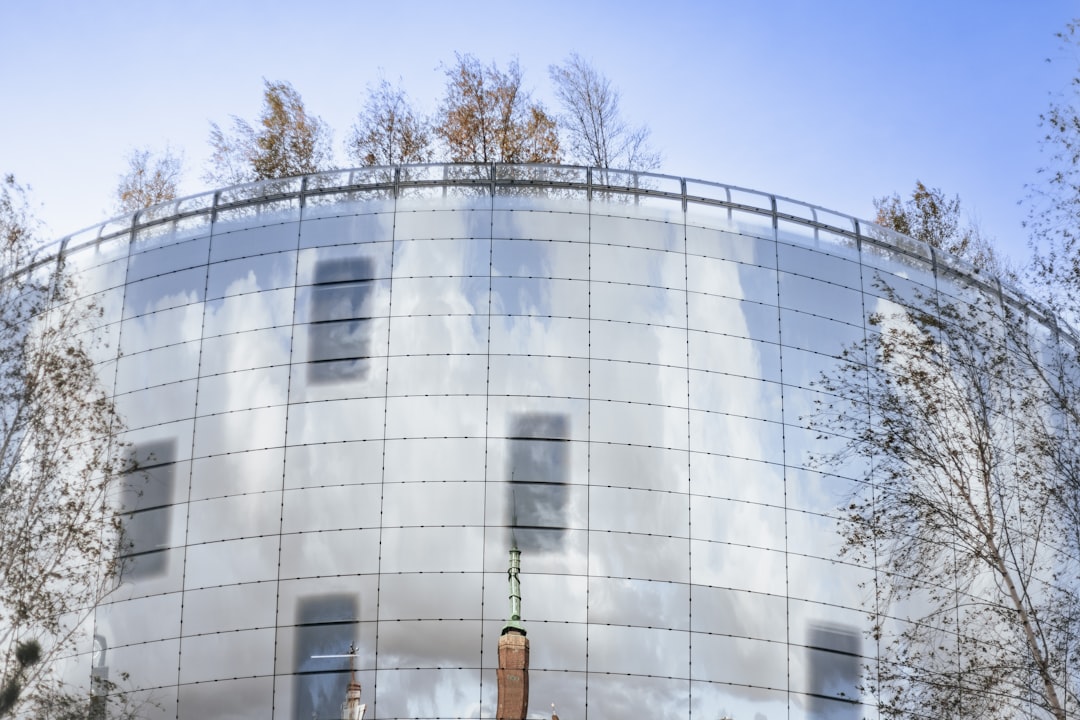
The mirrored Depot next to the museum stores 151,000 works and is open to the public — a giant bowl of reflections where you walk among art that other museums hide in the basement. The roof garden offers a green crown above the city.
The former flagship of the Holland America Line is permanently moored as a hotel and museum — art deco lounges, engine rooms you can walk through, and the sense of a great liner still ready to sail. Spend a night and the Maas rocks you to sleep.
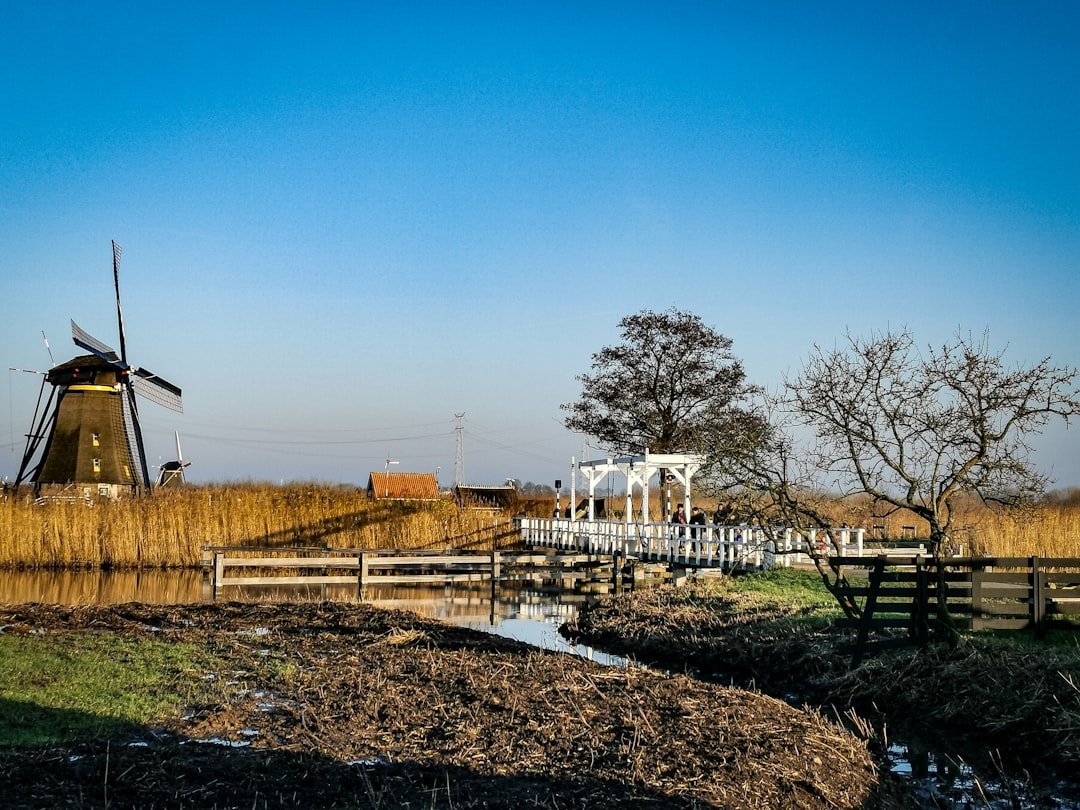
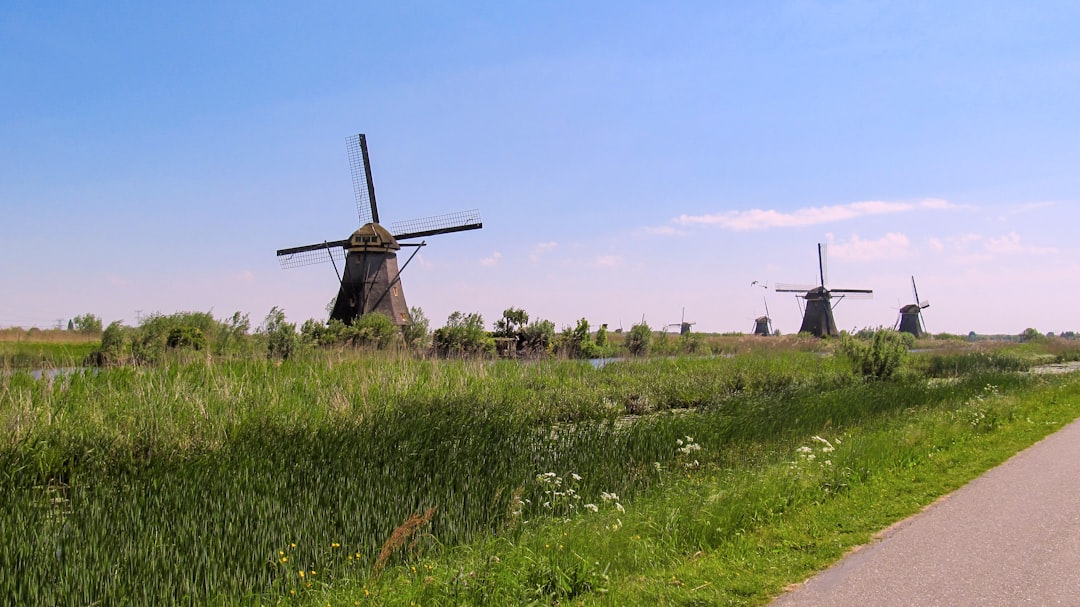
A short drive east, nineteen 18th-century windmills stand in a row along the polders — UNESCO-listed and still part of the system that keeps the Netherlands dry. At dawn or in mist they look like sentinels from another age.
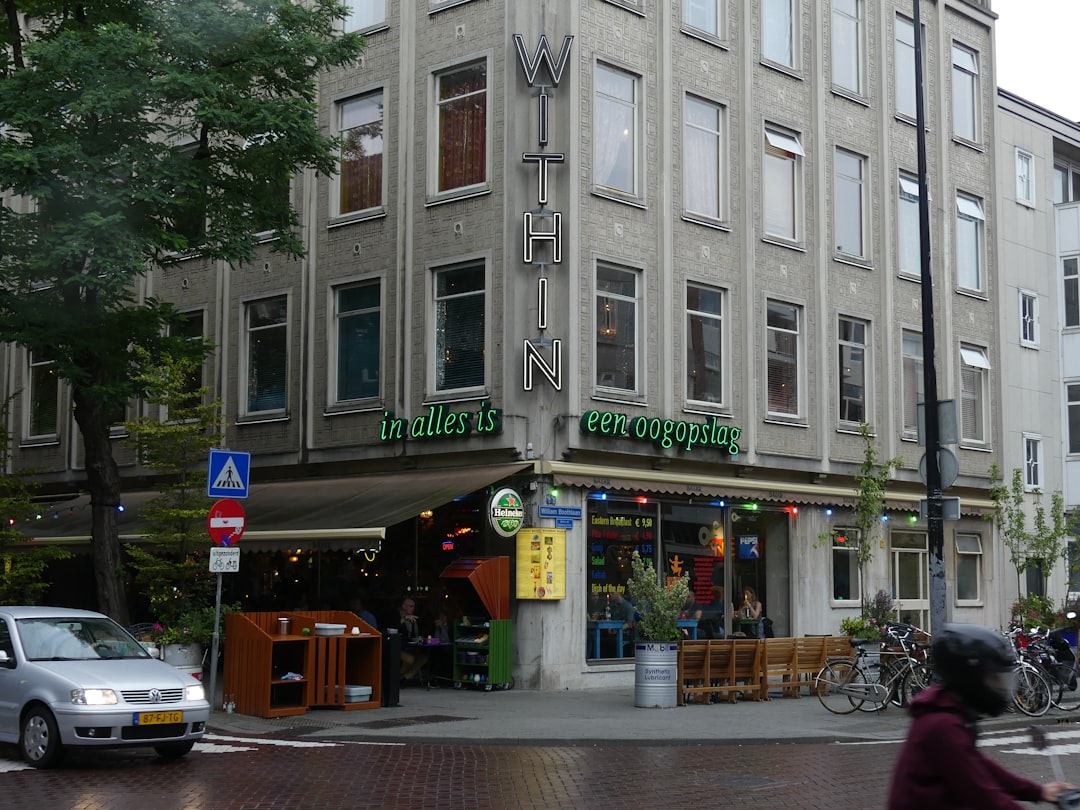
The city's most alive street — galleries, bars, and restaurants in a strip that never really sleeps. No monuments, just the pulse of Rotterdam's creative crowd and the sense that this is where the city invents itself every night.